
Introduction:
Electronic devices have become an inseparable part of our everyday lives in today’s technology-driven world. Technology continues to grow – from smartphones and laptops to televisions and appliances – and so does the amount of discarded electronics. This growing pile of electronic waste or e-waste, has become one of the fastest-growing waste streams globally. The importance of managing it correctly cannot be understated. That’s where fully integrated e-waste management systems come into play a comprehensive, sustainable approach to protecting the environment and conserving valuable resources.
Understanding E-Waste and Its Environmental Impact
E-waste refers to discarded electrical and electronic equipment such as computers, phones, printers, circuit boards and household gadgets. These items contain both valuable materials (like gold, silver and copper) and hazardous substances (like lead, mercury and cadmium).
When e-waste is dumped in landfills or burned, it releases toxic chemicals that contaminate soil, water and air. Over time, this pollution can harm ecosystems, wildlife and even human health. Additionally, extracting new raw materials to replace lost ones increases carbon emissions and accelerates resource depletion.
Without an organized system for collection, segregation, recycling and safe disposal, e-waste becomes a silent environmental disaster waiting to happen.
What Is Fully Integrated E-Waste Management?
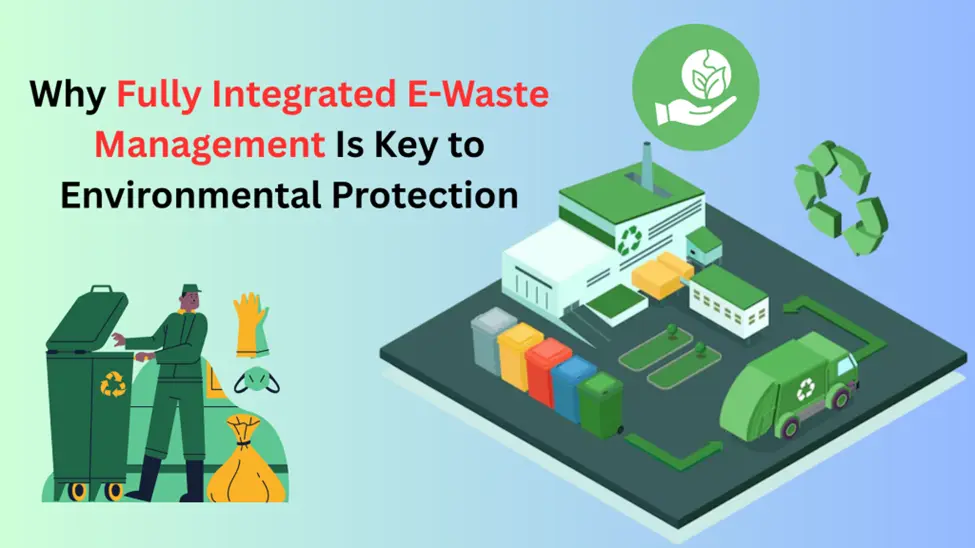
Fully integrated e-waste management refers to a systemic approach that covers every stage of the waste lifecycle from collection and transportation to dismantling, recycling and final disposal. Instead of handling each step in isolation, all processes work together effortlessly within one coordinated framework.
A truly integrated system typically includes:
- Collection & Segregation: Setting up drop-off centers, buy-back programs and awareness drives to encourage proper disposal.
- Transportation & Tracking: Safe, documented e-waste movement to licensed facilities using digital tracking systems.
- Dismantling & Sorting: Separating components like metals, plastics and circuit boards for efficient recycling.
- Recycling & Recovery: Extracting reusable materials using advanced, eco-friendly technologies.
- Safe Disposal: Ensuring non-recyclable or toxic residues are treated or disposed of in compliance with environmental regulations.
E-waste management becomes efficient, transparent and sustainable when these stages are integrated.
How Integrated Systems Protect the Environment
1. Reduces Landfill Waste
Electronic products end up in landfills less frequently with integrated systems. Components are reused, recycled or safely disposed of reducing soil and groundwater contamination.
2. Prevents Toxic Pollution
Proper dismantling and chemical treatment processes ensure that hazardous substances such as lead, mercury and arsenic are neutralized before disposal. This prevents harmful toxins from leaching into the ecosystem.
3. Conserves Natural Resources
Recovering metals and rare earth elements from e-waste reduces the need for mining. This helps conserve natural resources, protect habitats and reduce energy-intensive extraction processes.
4. Lowers Carbon Emissions
Recycling existing materials uses far less energy than manufacturing new ones from scratch. Integrated facilities optimize logistics, energy use and resource recovery reducing the industry’s overall carbon footprint.
5. Promotes Circular Economy
Integrated e-waste management supports a circular economy, where resources are reused and recycled instead of being wasted. It encourages manufacturers to design products with longer lifespans and recyclability in mind.
The Role of Technology and Policy
Modern e-waste facilities leverage automation, robotics and artificial intelligence to streamline sorting, separation and recycling. Advanced recycling units and material recovery units improve efficiency while minimizing human exposure to hazardous materials.
Governments and regulatory bodies also play a critical role. Policies such as Extended Producer Responsibility (EPR) mandate manufacturers to take back used products, ensuring accountability and promoting eco-friendly practices across industries.
When supported by legislation and technology, fully integrated systems can function at scale creating cleaner cities, healthier communities and sustainable growth.
The Human and Economic Benefits
The benefits of integrated e-waste management go beyond environmental gains:
- Job Creation: Recycling plants, logistics and repair centers create employment opportunities.
- Public Health Protection: Reducing toxic exposure safeguards the health of waste workers and the surrounding communities.
- Economic Value Recovery: Recovered materials like copper, gold and plastics re-enter the manufacturing cycle, adding value to the economy.
- Corporate Sustainability: Businesses that adopt responsible e-waste management enhance their reputation and meet CSR commitments.
What You Can Do
Environmental protection is a shared responsibility. Here’s how individuals and organizations can contribute:
- Dispose of old electronics at certified e-waste collection points.
- Choose brands that follow EPR and sustainable design principles.
- Educate others about safe e-waste practices.
- Support recycling companies and local drives.
- Avoid burning, dumping or selling e-waste to informal recyclers.
Small, consistent actions lead to large-scale impact when supported by integrated systems.
The Future of E-Waste Management
As technology evolves, e-waste will continue to grow but so will innovation opportunities. Future recycling facilities are expected to adopt smart sensors, automated tracking and zero-waste technologies that make recycling more efficient and transparent.
Collaboration among governments, industries and consumers is the key to success. Our digital progress cannot be achieved at the expense of the planet unless we close the loop together.
Conclusion
Fully integrated e-waste management is not just a waste disposal method it’s a comprehensive environmental protection strategy. Sustainability is promoted, natural resources are conserved and pollution is minimized by combining collection, recycling and responsible disposal.
Our world becomes cleaner and greener every time an electronic device is recycled responsibly. The time to act is now for a sustainable future powered by technology and environmental responsibility.

