
Introduction:
Recycling has become one of the simplest and most powerful ways to protect our planet in an age of pollution, climate change, and waste generation. We can reduce the impact on natural resources by reusing, repurposing, and recycling items.
The concept of recycling goes beyond simply sorting your trash; it’s about making conscious choices every day that minimize waste and promote sustainability. This blog will help you understand why recycling is so important and how you can take meaningful steps starting today.
Why Recycling Matters
Recycling is the process of converting waste materials into reusable products, preventing valuable resources from ending up in landfills or being incinerated. When we recycle we save energy, reduce greenhouse gas emissions and conserve raw materials such as water, minerals and forest products.
Consider this producing aluminum from recycled cans uses 95% less energy than making it from raw ore. Recyclable paper prevents air and water pollution caused by paper production while saving millions of trees.
Recycling is not just an environmental necessity; it’s also a social and economic opportunity, creating thousands of green jobs in waste collection, processing and manufacturing industries.
The Environmental Impact of Recycling
The release of methane, a greenhouse gas far more potent than carbon dioxide, occurs when waste materials are dumped into landfills. Plastics, glass and metals that are improperly disposed of contribute to soil contamination and ocean pollution, which harms ocean and ground life.
Recycling plays a crucial role in:
- Reducing Pollution: Less landfill waste means cleaner air, soil and water.
- Conserving Natural Resources: Recycling metals and paper decreases raw resource extraction.
- Saving Energy: Manufacturing products from recycled materials consumes less energy compared to producing from scratch.
- Fighting Climate Change: Lower energy usage translates into fewer carbon emissions.
We can slow down the depletion of the planet’s resources and create a cleaner future for future generations by recycling efficiently.
What You Can Do Today: Simple Recycling Actions
You don’t need to be an environmental expert to make a difference. Recycling starts with small, everyday habits that collectively create a big impact.
1. Understand what can be recycled
Take the time to learn what materials your local recycling program accepts. Common recyclable items include paper, cardboard, glass bottles, plastic containers and aluminum cans. Avoid mixing non-recyclable waste like food, Styrofoam or plastic wrappers, as contamination can damage entire batches of recyclables.
2. Separate Your Waste Properly
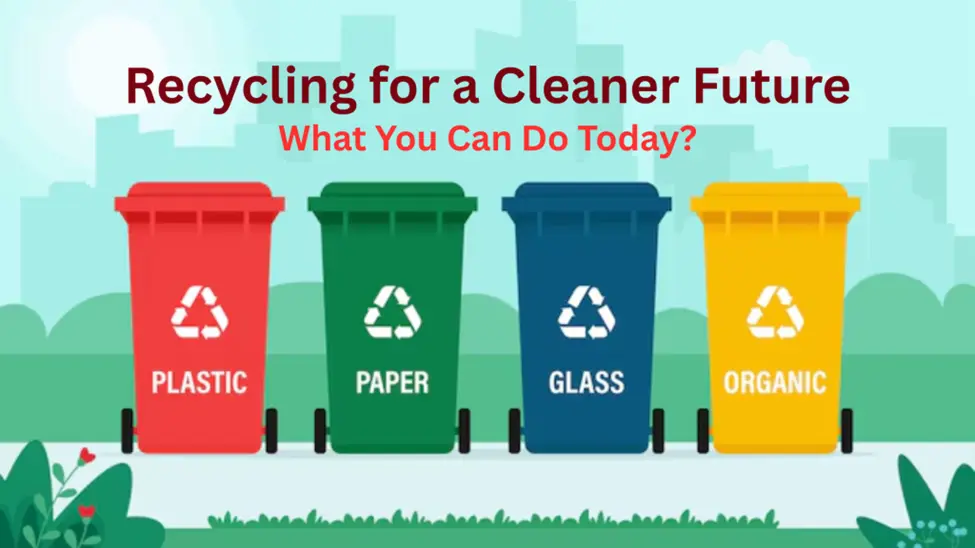
Set up labeled bins at home or in the office for paper, plastic, metal and organic waste. Proper segregation ensures materials can be easily processed and reused.
3. Clean Before You Recycle
Clean containers and bottles before recycling them. Remaining food or liquids can contaminate other recyclables, making them useless.
4. Reduce and Reuse Before Recycling
The best way to minimize waste is to reduce consumption and reuse items whenever possible. Use reusable bottles, cloth bags, and containers instead of single-use plastics. Recycle only when reuse is no longer possible.
5. Recycle Electronics Responsibly
E-waste such as old phones, laptops and appliances contains hazardous materials that can harm the environment if disposed of incorrectly. Drop them off at certified e-waste recycling centers where components can be safely recovered and repurposed.
6. Compost Organic Waste
Food scraps, vegetable peels and garden waste can be composted at home. Composting reduces landfill waste and produces nutrient-rich soil that can be used for gardening.
7. Support Businesses That Recycle
Choose brands and products made from recycled materials or those committed to sustainable packaging. Your purchasing decisions can influence corporate practices and encourage eco-friendly production.
Recycle, Reuse, Recycle
While recycling is essential, it’s only one part of the “Reduce, Reuse, Recycle” philosophy.
- Reduce: Limit unnecessary consumption by buying only what you need and avoiding over-packaged goods.
- Reuse: Find new purposes for old items instead of throwing them away. Glass jars, old clothes, and boxes can all be repurposed creatively.
- Recycle: Ensure that everything that can be recycled is recycled properly.
Following this 3R principle minimizes waste and helps build a circular economy one where materials are continuously reused rather than discarded.
The Role of Technology and Innovation
Modern recycling facilities are now equipped with advanced technologies such as AI-based sorting systems, robotic arms and chemical recycling methods that can process even complex waste streams efficiently. These innovations make recycling faster, more accurate and environmentally friendly.
Upcycling waste into higher-value products is also changing how we view discarded materials. The future of recycling is both innovative and inspiring, from plastic roads to furniture made from scrap metal.
Your Role in a Cleaner Future
Recycling is a shared responsibility. Governments, industries and individuals must work together to ensure efficient, transparent and accessible waste management systems. We can all reduce waste and move toward a more circular, sustainable and clean world by taking small but consistent steps.
Start today by looking at your trash differently. Each recyclable item is an opportunity to save resources, reduce pollution and make the planet a better place. The future is in our hands and recycling is the path forward.
Conclusion
Recycling for a cleaner future begins with awareness and action. Every bottle you recycle, every bag you reuse and every piece of waste you properly dispose of brings us closer to a sustainable tomorrow.
Let’s make a conscious effort today because when we recycle, we don’t just manage waste; we protect our planet, preserve our future and inspire change.

